
🌻 SCROLL DOWN TO LISTEN TO THE SONG OF THE WEEK + WATCH THE EPISODE 🌻
Learning to Trust the Body You Have Now
There is a particular kind of confusion that comes with realizing your body has changed. Before you can find the words to explain what is happening, it’s already done.
The change appears in small ways. A workout that once left you feeling energized now requires several days of recovery. You wake up tired even though you went to bed at a reasonable hour. Your joints feel less cooperative. Your emotions seem closer to the surface. Your body temperature has developed a mind of its own.
None of these experiences seems significant enough to explain the whole picture. Bundled together, however, they can leave you wondering whether you still own your body.
That uncertainty is where many women begin: a sense that something is different.
Unfortunately, women are frequently taught to distrust that feeling. We are encouraged to explain it away as stress, aging, poor sleep, weight gain, lack of exercise, or having too much on our plates. Those things may play a role, but they do not automatically tell the whole story.
Before offering advice, suggesting a new routine, or asking you to make another appointment, there is something more important I have to say:
I believe you.
Your experience matters before it is confirmed by anyone else.
Still Becoming Me
The Space Between Noticing and Knowing
One of the most frustrating parts of perimenopause and menopause can be the space between recognizing that something is changing and understanding what that change means.
During that time, women become detectives of their own lives. We revisit our routines. We question whether we are eating well enough, moving enough, resting enough, or managing stress properly. We buy supplements, download trackers, change our diets, or push ourselves harder because we assume the problem is something we have failed to do.
That response is understandable. Hell, it’s the response I had. Many of us have been taught that effort should produce predictable results. When the results change, our first instinct is to increase the effort.
The body, however, is not a machine with settings that are forever fixed. It changes with age, stress, illness, hormones, grief, and all the demands placed upon it. The routines that supported us in one season will need to be adjusted in another.
Keep in mind that adjustment is not the same as surrender. It is not giving up on yourself. It is choosing to work with the body you have now instead of punishing it for no longer doing what it could before.
When Strength Begins to Look Different
I have spent years being physically active. As a personal trainer, movement was not foreign to me. I understood consistency, strength, recovery, and the importance of caring for my body.
Those experiences did not make me immune to the changes that come with age.
There came a point when movements I had done for years started feeling different. My tendons and joints needed more attention. Stretching could no longer be treated as an optional extra squeezed in when time allowed. Recovery became part of the work rather than something that happened occasionally afterward.
It would have been easy to look back and compare my current body to an earlier version of myself. I could have judged every modified exercise as proof that I was losing something.
Instead, I had to consider the possibility: perhaps my definition of strength needed to change with my body.
My strength once meant completing the workout as planned. Now it might mean changing the movement before pain forced me to stop. It meant giving my body an extra day of recovery. It could mean choosing mobility work, stretching, walking, or rest instead of assuming that only the most demanding activity is all that counts.
Let me tell you, none of those choices diminished my confidence.
My confidence is still a ten.
It’s rooted in something deeper than my ability to perform the way I once did. My confidence comes from knowing that I have lived in this body long enough to respect it. It comes from understanding that adaptation is not failure. It is a skill. Once we could all do well to develop.
The Grief Hidden Inside Physical Change
Conversations about menopause often move quickly toward solutions. Women are given tips for sleep, movement, nutrition, stress, and symptom management. Some of that information may be useful, but advice comes so quickly that it leaves no room for the emotional reality of everything that is changing.
There is grief in no longer recognizing yourself. There is grief around not being able to do what you’re used to doing.
There is grief in needing more time to recover when you exert yourself physically.
There is grief in realizing that the body you knew so well has become less predictable.
That grief does not mean you are vain, ungrateful, or fighting the aging process. It means you are acknowledging that the relationship with your body is changing.
Changes in relationships take time, including the relationship we have with our own bodies. We learn new boundaries. We evaluate our expectations. We pay attention to what is no longer working and what needs more attention and care.
The goal is not to deny the changes that are happening in our bodies. The goal is to avoid turning that grief into hostility toward yourself.
Your Body is Not Betraying You?
Talk of betrayal pops up when we talk about menopause. The body feels unfamiliar, disruptive, or difficult to control, so it feels like and is described like it is your enemy.
Those feelings deserve compassion. Yet the idea of betrayal can also create distance between a woman and the body she still has to live in, care for, and understand.
Instead of asking, “Why is my body doing this to me?” we can ask, “What is my body asking me to care for it in this new season of life?”
Curiosity invites you to notice that your body needs a longer warm-up. It can show you that certain foods, environments, routines, or stressors affect you differently now. You’ll also recognize that your sleep pattern has changed or that your patience is thinner after being stimulated for too long.
Curiosity is not a cure, but it is a good way to keep an open mind while you continue learning how to interact with your updated body.
The Exhaustion of Not Being Believed
Bodily changes can be extremely difficult. Having those same changes dismissed by medical providers can make the experience even harder.
Many women go into medical appointments prepared to defend themselves. They bring notes, dates, screenshots, symptom trackers, and expertly worded explanations because they have learned that simply saying, “Something is wrong,” isn’t enough.
Others stop bringing concerns to their doctors altogether. After being dismissed repeatedly, they begin questioning themselves before anyone else has the opportunity.
Maybe I’m overreacting.
What if this is normal?
Other women have it worse.
I should be able to handle this.
You’re gaslighting yourself. This behavior develops as a result of years of being minimized.
A woman shouldn’t have to earn compassion.
She shouldn’t need a diagnosis before her discomfort is taken seriously.
Being believed does not solve the problem, but it changes how the woman deals with it.
Instead of spending all her energy proving that her experience is real, she can focus on getting to know herself again.
Confidence Does Not Require Sameness
Our culture has a narrow view of confidence when it comes to women. Confidence is linked to looking youthful, maintaining a certain body size, and appearing unaffected by her changing body.
That version of confidence doesn’t make sense because it depends on everything staying the same. Real confidence allows for real change.
It says:
- I can respect this body even when I do not understand everything it is doing.
- I can ask questions without assuming I have failed.
- I can modify my plans without abandoning myself.
- I can grieve what has changed and still appreciate what remains.
- I can change without treating my young self as the only acceptable version of me.
Confidence during menopause isn’t loud. It means refusing to stuff yourself into a mold that was never meant for you.
Your Body is Still Yours
Menopause alters the way you move through the world, but change doesn’t change who YOU are or what you’re allowed to do.
Your body is still yours when it needs more rest. It is still yours when your weight changes, your sleep changes, or your energy levels fluctuate. It is still yours when you are waiting for answers about what’s going on. It is still yours when you disagree with the way another person interprets your experience.
Still Changing. Still Whole. Still Becoming.
The woman you are now needs something different from the woman you were ten years ago.
That does not make her less disciplined. It does not make her less capable. It does not make her less attractive, less valuable, or less herself.
She is learning to move differently. She is learning to rest differently. She is asking better questions. She is releasing expectations that no longer fit the life she wants to live.
She is becoming acquainted with the beautiful truth of who she is now.
So when you notice something changing, pause before assuming your body has failed you.
Your body is only making up new rules because it wants to continue to fully support you as it always has; it just looks a bit differently than it did before.
……and that is why you are still becoming.
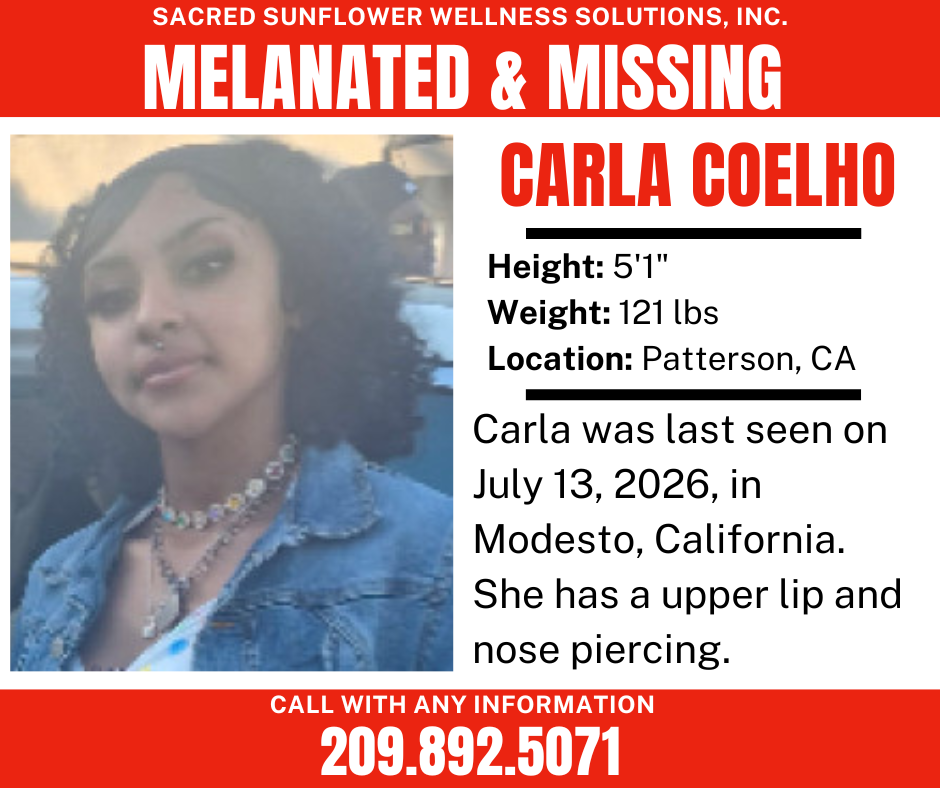
This week’s Melanated + Missing feature is Carla Coelho. Carla was last seen on July 13, 2026, in Modesto, California. She is 5’1″, weighs approximately 121 lbs, and has an upper lip and nose piercing.
Please take a moment to look at her face, read her information, and share this post. Too often, missing Black and brown women do not receive the visibility they deserve. We will continue to say their names, share their stories, and do our part to keep them in the public eye.
If you have any information, please call 209.892.5071
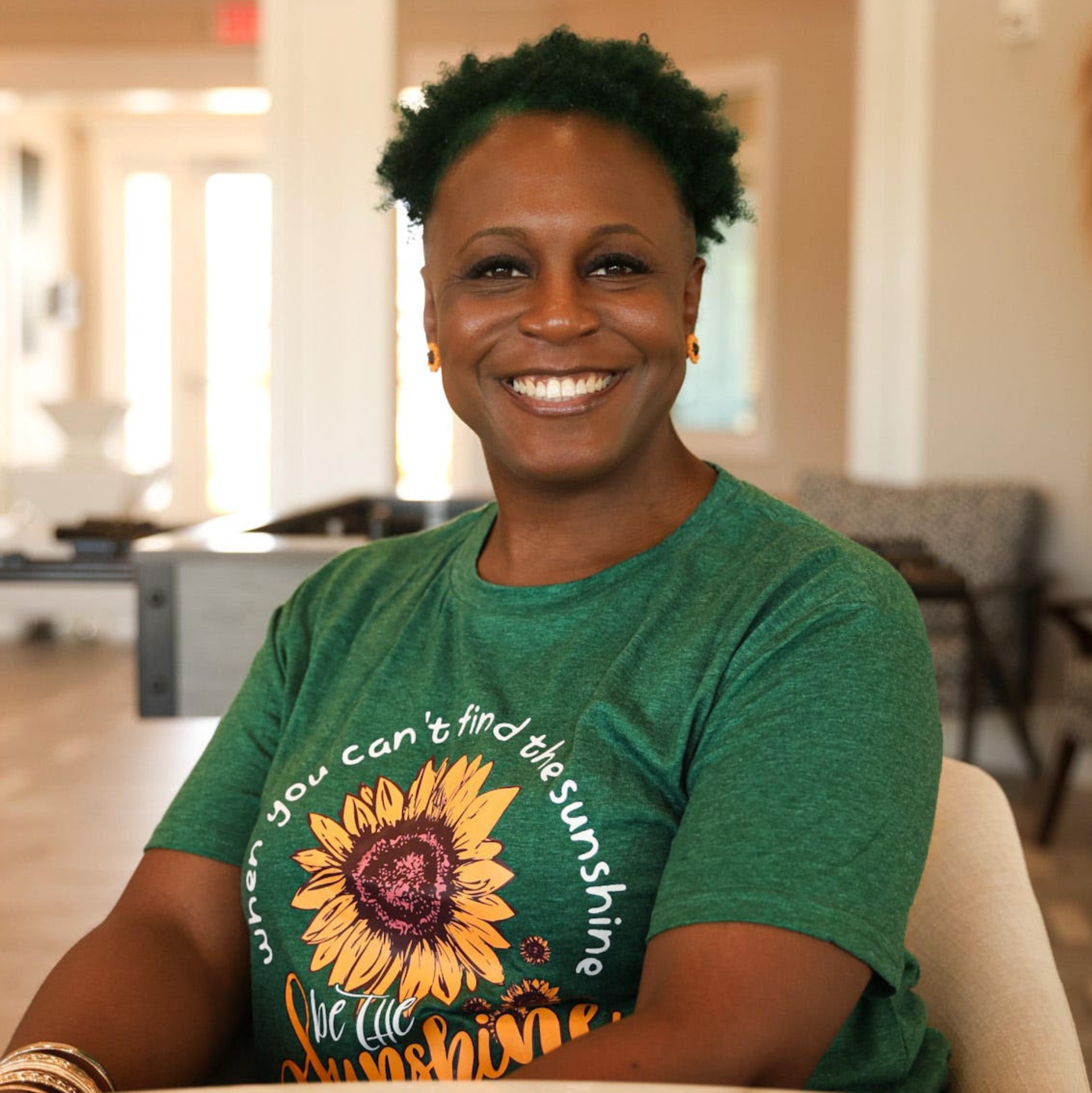
Sophia Antoine
Wellness Practitioner
Sophia Antoine is a full-spectrum doula, wellness coach, relationship coach, and founder of Sacred Sunflower Wellness Solutions. She creates soft-but-honest spaces for people navigating birth, postpartum, grief, chronic illness, emotional wellness, relationships, and major life transitions. Her work is rooted in autonomy, self-awareness, reproductive justice, and the belief that people deserve to feel supported, heard, and cared for while they are still in the middle. Through Serenity Before Sunrise, Sophia offers reflections, workbooks, and gentle practices for those learning how to stop rushing past themselves and return to their own care.